|
1
|
- Art McMorris
- DVOC
- September 20, 2007
|
|
2
|
|
|
3
|
|
|
4
|
|
|
5
|
|
|
6
|
- High energy cost
- Feathers are >85% protein
- Many ducks have protein-poor plant diet
- Raid muscle for protein
- Lose ~20% body mass during molt
- Eclipse feathers discarded quickly
|
|
7
|
- Older literature: eclipse molt is complete
- Pyle 2005: eclipse molt is partial
- Females: 54% of body feathers
- Males: 33% of body feathers
- Primarily brightly-colored areas
|
|
8
|
- Males migrate to molting areas for wing molt
- Security: from drying out
- Security: from predators
- Safety in numbers
- Lots of food
- Other features
|
|
9
|
|
|
10
|
|
|
11
|
- Weight of bird/area of wings (g/cm2)
- Songbirds: 0.1 - 0.2 g/cm2
- Mallard: 1.24 - 1.32 g/cm2
- Loss of a few feathers makes flight difficult
- Get it over with quickly!
|
|
12
|
|
|
13
|
- Snow Bunting
- Lapland Longspur
|
|
14
|
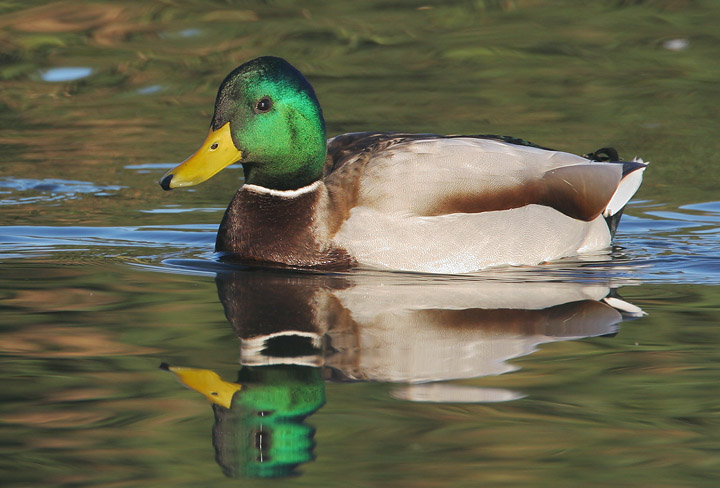
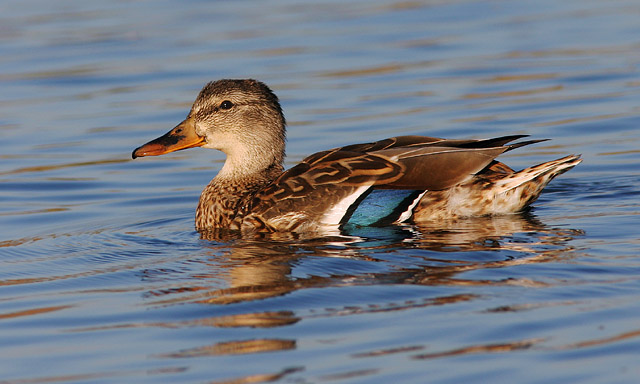
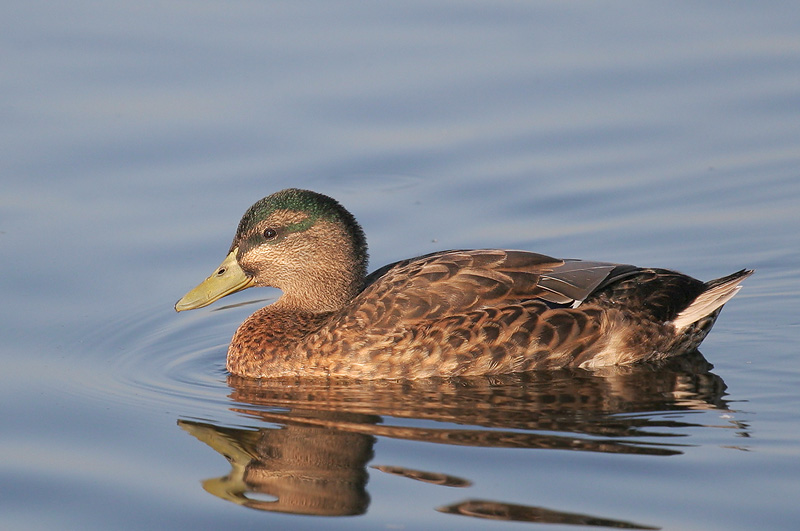
- Eclipse plumage camoflages bird during flightless period
- Strategy of simultaneous wing molt and flightless period solves problems
caused by:
- High wing loading
- Migration time crunch
|
|
15
|
|
|
16
|
|
|
17
|
|

 Notes
Notes